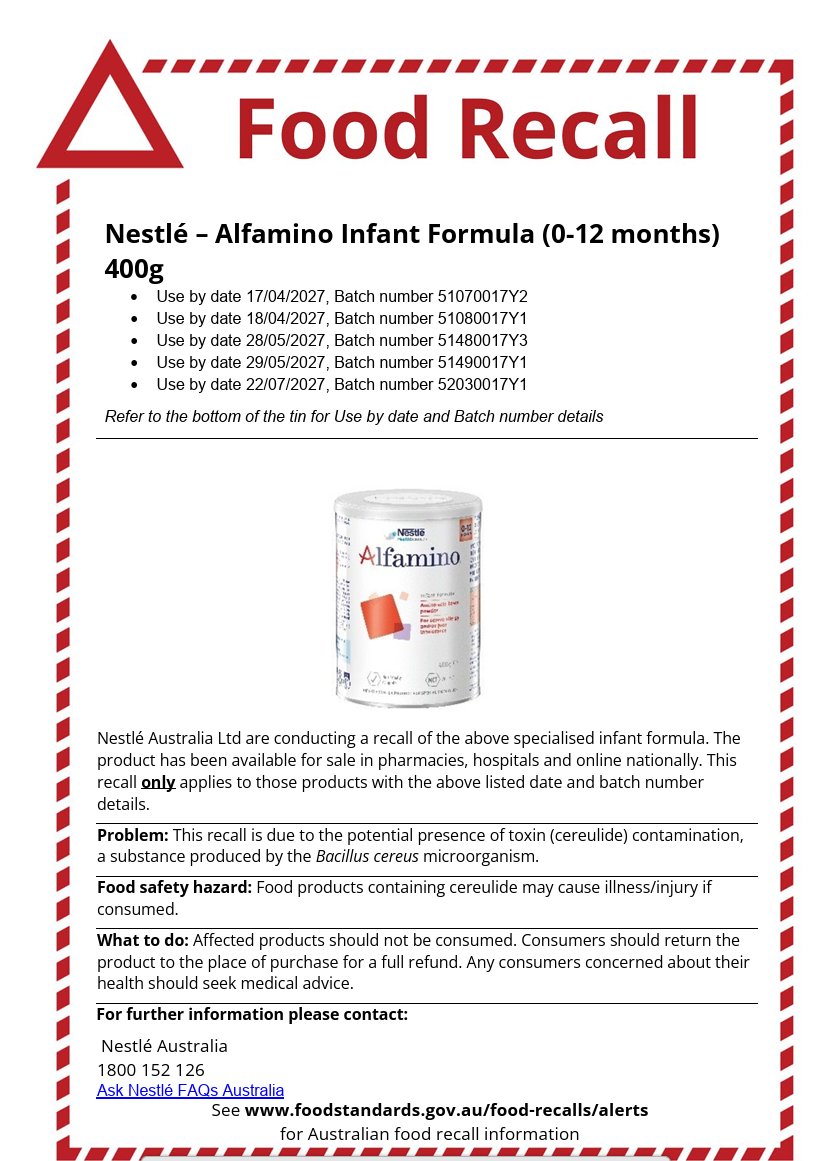
Recall - Infant Formula Cereulide Contamination

Nicole Inwood • January 7, 2026

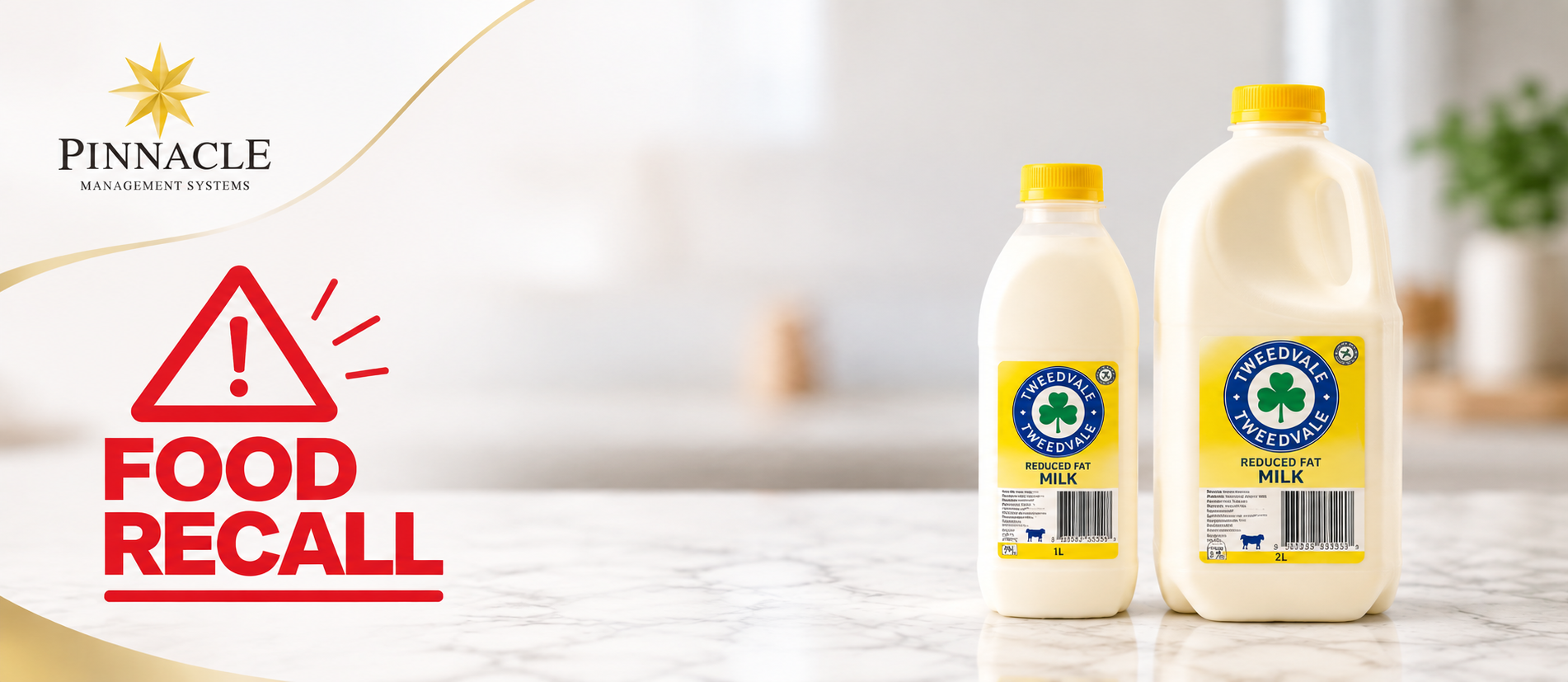
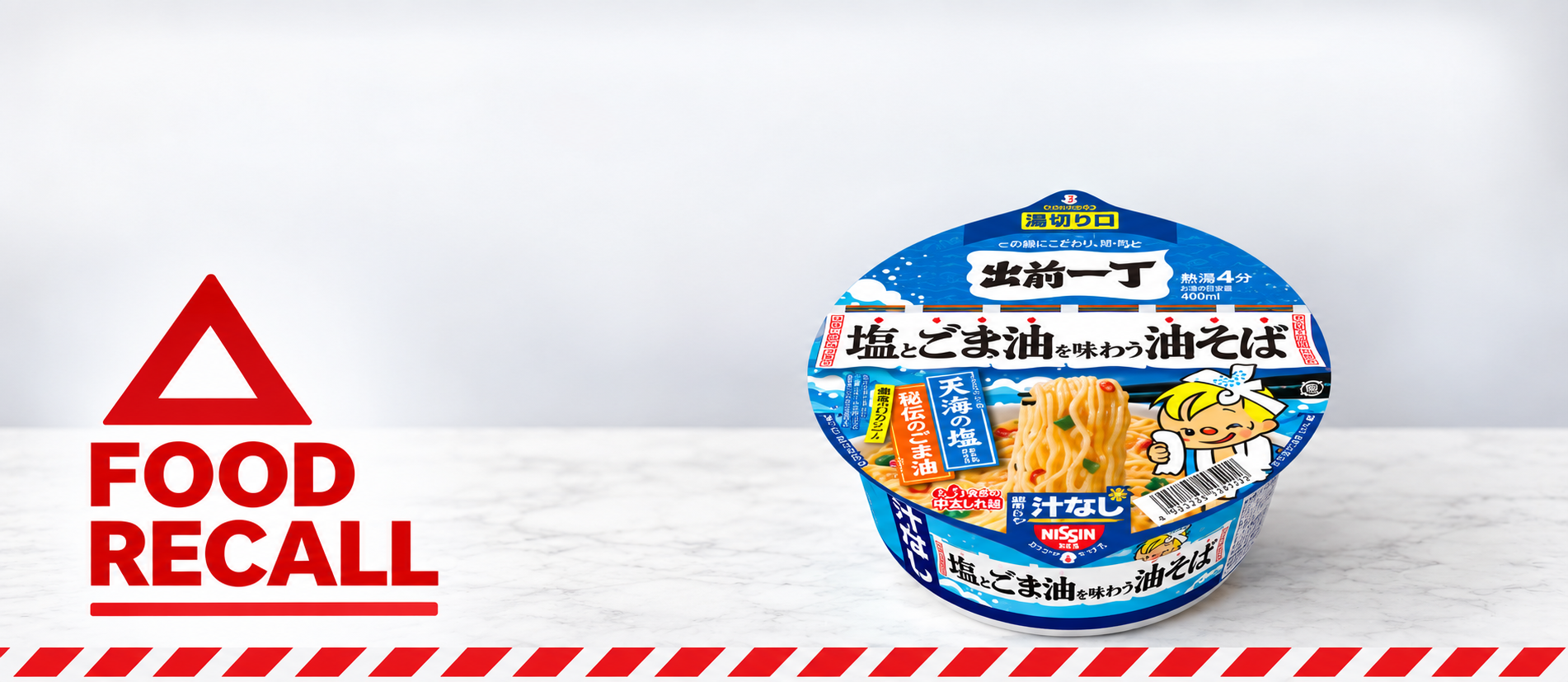
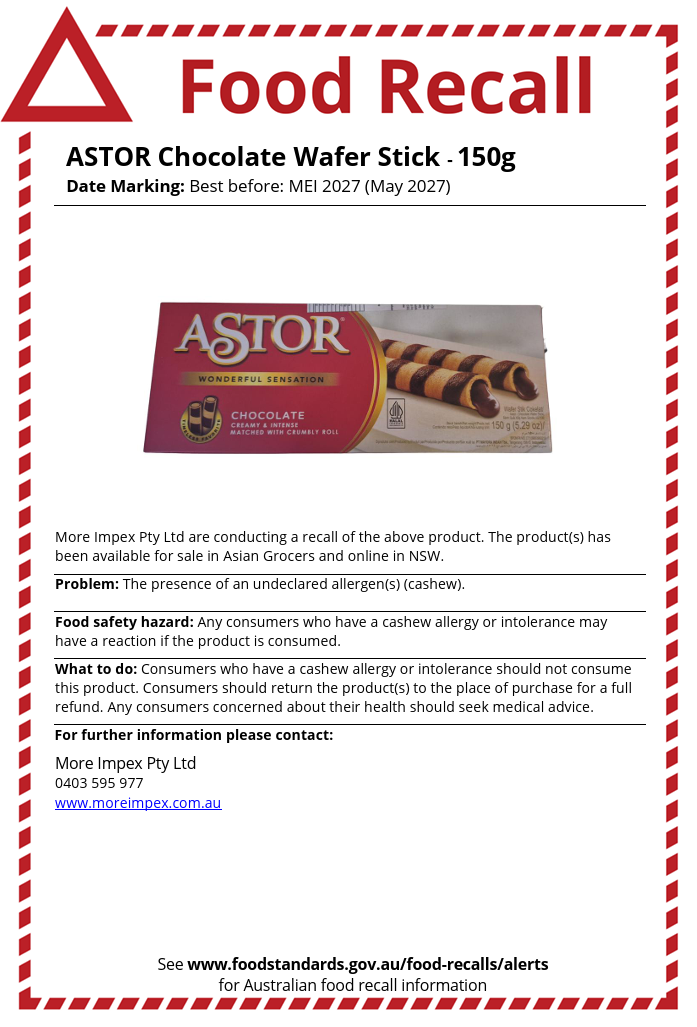
Recall Alert


Cereulide is a heat-stable toxin produced by certain strains of Bacillus cereus.

Bacillus cereus, is a spore forming bacteria that has a hard, protective outer coating that makes them resistant to heat, drying, and standard processing, meaning they can be introduced via raw ingredients and persist through manufacturing process. Unfortunately the toxin is also heat resistant and acid stable so it cannot be destroyed by reheating or acidic conditions like our stomachs.

This risk is especially concerning in infant formula, as infants are vulnerable. The toxin causes vomiting which can lead to dehydration and other health issues.

Bacillus cereus is commonly found in the following food categories;
- Cooked rice and rice-based products
- Pasta, noodles, and other cooked grain products
- Powdered foods
- Dairy products
- Plant-based protein products and meat analogues
- Ready-to-eat meals
- Soups, sauces, and gravies
- Starchy foods such as potatoes

If you are food manufacturer its a good time to review your HACCP plan. What can you do to prevent this from happening to you?

- Strong supplier management
- Strict time and temperature control
- Validated processing
- Hygienic design of your premises, utensils and equipment
- Good personal hygiene practices
- Labelling: clear preparation and storage instructions.

Contact Us.

PO Box 9, Kangarilla, SA 5157, AU

Contact Us

By Nicole Inwood January 2, 2026
Across ISO 9001, ISO 22000, ISO 14001, and ISO 45001
By Nicole Inwood December 31, 2025
At this time of year, I always pause to look back before I look forward. I start with the evidence. Metrics. Performance data. Photos. The glimmer moments as well as the hard ones. The achievements, the breakthroughs, the incredible clients we have partnered with, and the work we are genuinely proud of. Then I focus on improvement. What worked well. What did not. Where we stretched. Where we missed the mark. Because continuous improvement only works if we are honest with ourselves. From there, I shift into a deep dive on emerging trends and what the year ahead may hold. This is not about prediction or being “right”. It is a planning tool. It is about anticipation. About building organisational muscle so we are not reacting late, but thinking early. From a food safety perspective, several forces are converging right now. Technology is a major one. AI is already influencing food safety in complex ways. On one hand, it gives us access to vast amounts of information that can support hazard analysis and system design. On the other hand, that information is not always accurate, contextual, or reflective of what is actually happening on site. This has serious implications for auditing. Auditors are increasingly presented with beautifully generated documents that may have little connection to real practices. As a result, we will see a necessary shift away from document-heavy audits and toward greater emphasis on verification, testing, and observation. Systems that exist only on paper will be exposed very quickly. Climate change is another critical factor. We are seeing disruption across supply chains, increased disease pressure in agriculture, greater reliance on sprays, and in some cases the loss of entire crops in certain regions. These pressures affect food safety directly, whether through raw material variability, water quality concerns, or increased risk of fraud as commodity prices rise. Flooding in the eastern states is a current and very real example that demands vigilance around water sources and contamination risks. Demographics and politics also play a role. Labour availability, capability, and experience continue to shift. At the same time, geopolitical decisions such as tariffs and trade restrictions can influence sourcing, cost structures, and ultimately food safety outcomes within our own country. The value in thinking deeply about these trends is not fear. It is opportunity. Risk management, when done well, allows us to mitigate emerging risks and also identify opportunities to strengthen food safety systems, protect consumers, and protect businesses. But this only works if systems are real, embedded, and understood. This is a critical moment to ask some hard questions: Is our food safety system genuinely protecting our consumers and our business? Does our HACCP plan reflect reality, or is it simply compliant on paper? Are our stakeholders aligned and capable, across our supply chain and service providers? Are we investing in upskilling to meet the challenges that are already here? If these are the questions you are thinking about, you are not alone. We share practical insights like this regularly through our newsletter, and we work with organisations to validate and strengthen HACCP plans so they stand up in practice, not just in an audit. If you want to stay ahead of emerging food safety risks and opportunities, I invite you to subscribe to our newsletter and reach out to discuss how we can support your system.  Planning early is no longer optional. It is a leadership responsibility.
By Nicole Inwood December 18, 2025
Leadership in Systems
By Nicole Inwood September 13, 2025
Top Tips for Choosing a Food Safety Consultant
By Nicole Inwood August 26, 2025
Urgent recall: Baby puff snacks
By Nicole Inwood August 20, 2025
How ISO 22002-100 Fits with ISO 22000 1. Role of ISO 22000 ISO 22000:2018 is the overarching Food Safety Management System (FSMS) standard. It sets the framework: context, leadership, planning, risk-based thinking, operational control (including HACCP), performance evaluation, and continual improvement. Clause 8.2 ( Prerequisite programmes ) requires organisations to establish, implement, and maintain PRPs appropriate to their activities. However, ISO 22000 does not specify detailed PRP requirements, it leaves that to supporting standards. 2. The Gap ISO 22002-100 Fills ISO 22002-100:2025 is a new foundational PRP standard that provides the “core” requirements applicable across all food chain sectors. It introduces common baseline PRPs (e.g., layout, utilities, personnel hygiene, cleaning, pest control, contamination prevention). This avoids duplication and ensures consistency across different sector standards. 3. Link to Sector-Specific Standards After applying the common requirements in ISO 22002-100, organisations then apply the sector-specific PRP standards: ISO 22002-1:2025 → Food manufacturing ISO 22002-2:2025 → Catering ISO 22002-4:2025 → Packaging ISO 22002-6:2025 → Feed manufacturing ISO 22002-7:2025 → Retail/wholesale (etc.) Each sector-specific standard is designed to be used in combination with ISO 22002-100, not as a stand-alone. 4. Practical Integration with ISO 22000 Think of it as a three-layer structure: ISO 22000 → FSMS framework (HACCP + management system requirements) ISO 22002-100 → Core PRPs (baseline hygiene & infrastructure applicable everywhere) ISO 22002-X (sector-specific) → Tailored PRPs (unique to your food sector, e.g., food manufacturing in ISO 22002-1) Together, they ensure: ISO 22000 provides the management system backbone. ISO 22002-100 and the relevant sector-specific standard provide the operational hygiene and infrastructure controls needed to make HACCP effective. 5. Certification Relevance For FSSC 22000, certification requires ISO 22000 plus the appropriate ISO 22002 PRP standard. With the 2025 update, this will now mean: ISO 22000:2018 ISO 22002-100:2025 (core) ISO 22002-X:2025 (sector-specific, e.g., -1 for manufacturing) So, ISO 22002-100 is essentially the missing link, it standardises the PRP “foundation” so that sector standards don’t need to repeat it. In short: ISO 22000 tells you what to manage, ISO 22002-100 tells you the baseline PRPs every food business must have, and ISO 22002-1 (or another sector standard) tells you the extra PRPs specific to your sector.
By Nicole Inwood August 13, 2025
FSANZ Recall - Cadbury
By Nicole Inwood August 1, 2025
In today’s fast-paced food industry, ensuring safety and compliance is more critical than ever. Unlocking food safety through a robust Hazard Analysis and Critical Control Points (HACCP) plan is essential for protecting your business and gaining the trust of your customers. With increasing regulations and heightened consumer awareness, implementing the right HACCP templates can streamline your processes, strengthen food safety measures, and keep your operations running smoothly. This ultimate guide will walk you through the essentials of HACCP templates tailored for your business needs. Whether you’re a small food producer or a large-scale manufacturer, this resource offers a comprehensive roadmap to navigate the complexities of food safety management. Join us as we explore the key components of effective HACCP templates and empower your team to establish a culture of safety that resonates with quality and compliance. Let’s dive into the world of HACCP and unlock the potential for a safer, more successful food business!
By Nicole Inwood July 24, 2025
Prepare for your next external audit with confidence. Learn where to start. Simple, stress-free tips, plus help if you need it.
By Nicole Inwood July 8, 2025
The Hidden Risk Costing Brands Millions — And How to Prevent It
More Posts