Listeria in Ready-to-Eat Smoked Fish: Lessons from a Smoked Salmon Spread Recall
Listeria in Ready-to-Eat Smoked Fish: Lessons from a Smoked Salmon Spread Recall
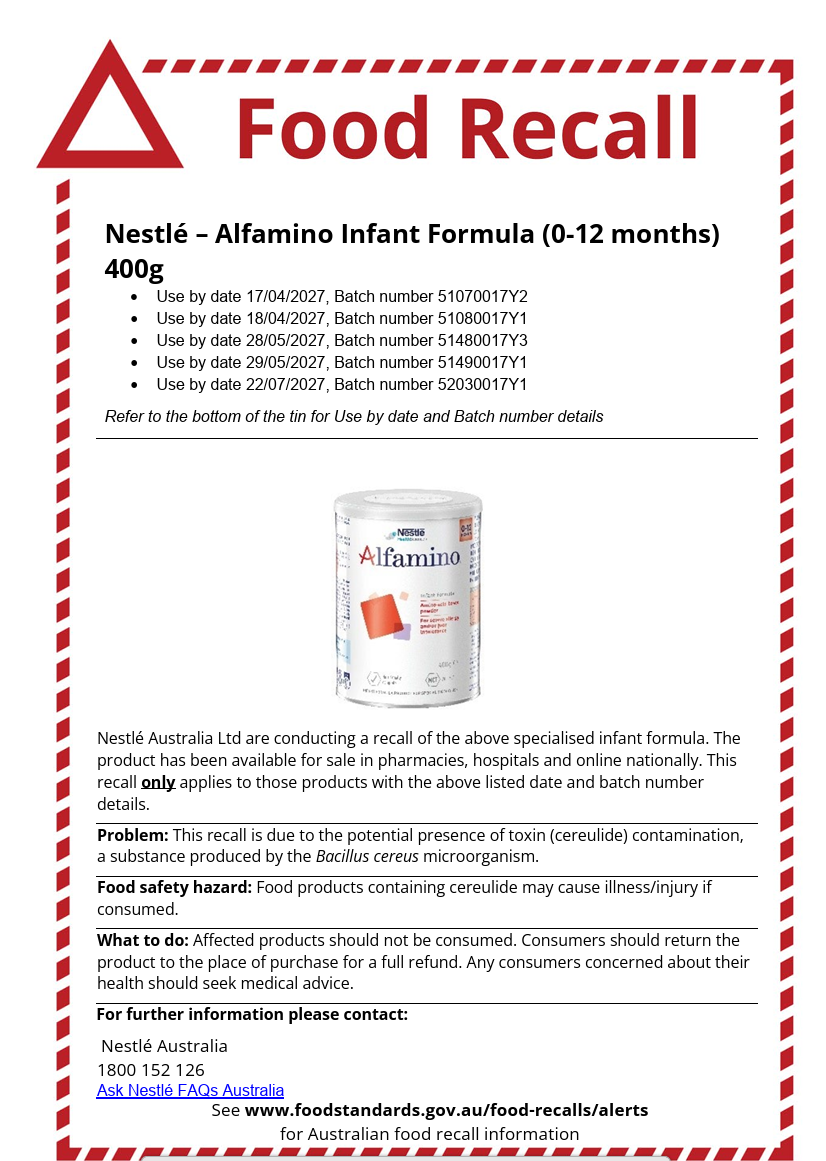
oodbridge Smokehouse Smoked Salmon Spread 150g, due to microbial contamination with Listeria monocytogenes.
Recalls like this are not about blame. They are a chance for every food business to check its own systems. As a food safety consultant and practising certification auditor, these are the lessons I would take from this one.
What Happened
• Product: Woodbridge Smokehouse Smoked Salmon Spread 150g
• Date marking: Use By 28/12/2026, batch 26300
• Problem: Microbial contamination with Listeria monocytogenes
• Where sold: Independent food retailers, including IGA, in Tasmania
• Consumer advice: Do not eat the product. Return it to the place of purchase for a full refund. Anyone concerned about their health should seek medical advice
Why Smoking Is Not Always a Kill Step
Smoking is often thought of as a preservation step. It adds flavour, and the salt and smoke can help slow microbial growth.
Depending on the process, though, smoking may not destroy Listeria. Cold smoking is generally carried out at temperatures that are not lethal to it. Hot smoking can be, but only when the time and core temperature have been validated.
Being clear in your HACCP plan about which steps are lethal, and which are not, helps make sure the right controls are in place.
The Steps After the Smoker
A smoked salmon spread can involve flaking, blending with other ingredients, filling and sealing. These steps happen after any lethal step, so the product relies on the hygiene of the environment, equipment and people.
Listeria can live in drains, equipment joints and damp areas, and it can survive routine cleaning in hard-to-reach spots. Blending can then spread a small contamination through a whole batch.
Shelf Life and Listeria Growth
Listeria can grow slowly at refrigeration temperatures. A longer shelf life gives it more time.
Standard 1.6.1 of the Food Standards Code sets a stricter limit for ready-to-eat foods that support Listeria growth. If your business relies on a product not supporting growth, you need evidence to show it, such as challenge testing, predictive modelling or product characteristics like pH and water activity.
Environmental Monitoring: Looking Beyond Visually Clean
Visually clean is a good first check, but Listeria can't be seen. An environmental monitoring program that swabs for Listeria in post-process areas gives you evidence that cleaning is working.
Trending your results is just as important as the swabs themselves. A repeat positive at the same site can point to a harbourage point that needs attention.
Practical Steps for Your Business
• Identify each step in your process as lethal or non-lethal, and validate the lethal ones.
• Assess recontamination risk at every step after the last lethal step.
• Separate raw and ready-to-eat areas, and control movement of people and equipment between them.
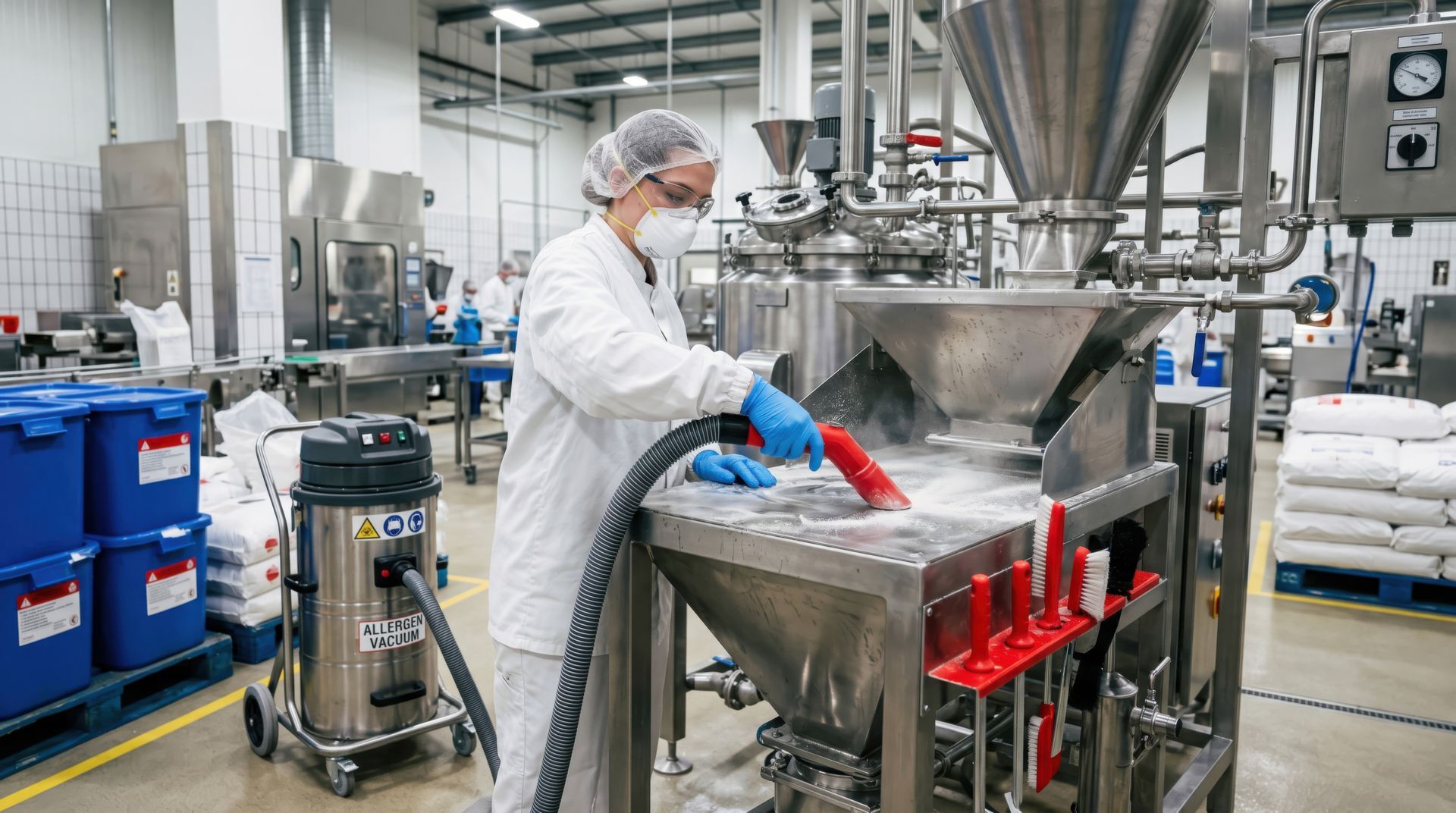
• Include disassembly of slicers, blenders and fillers in your cleaning procedures.
• Swab for Listeria in post-process areas and trend the results.
• Validate shelf life for Listeria growth, and revalidate when the recipe, process or packaging changes.
• Include Listeria controls in your internal audit program.
How This Links to HACCP, SQF and ISO 22000
In a HACCP plan, Listeria in ready-to-eat products is usually controlled through a combination of validated process steps, prerequisite programs, environmental monitoring and shelf life. In SQF and ISO 22000 systems, these controls are expected to be documented, validated and verified. A practical approach is to treat them as three separate steps:
• Procedure: what you do
• Validation: evidence that what you do works
• Verification: ongoing checks that you are still doing it
HACCP training and internal auditor training can help your team test these controls before an external food safety auditor does.
How Pinnacle Can Help
Pinnacle Management Systems supports food businesses with HACCP consultant services, HACCP training, environmental monitoring programs and internal auditor training. Every program is tailored to your business, products and risks.
• Check how your business would respond to a recall with our free Recall Readiness Check
• Build your HACCP plan with confidence through the HACCP Accelerator, our 12-week implementation program
• Join food safety professionals sharing practical experience in the Pinnacle Food Safety Community
Subscribe So You Never Miss an Update
New recall lessons and practical food safety guidance are published regularly. Subscribe to our updates so you never miss information that could help your business.
[Subscribe button: insert link]