Supercol Thickener Recall: Why Powders Aren't Always Low Risk
We often think of powders as low risk. Cronobacter doesn't agree.
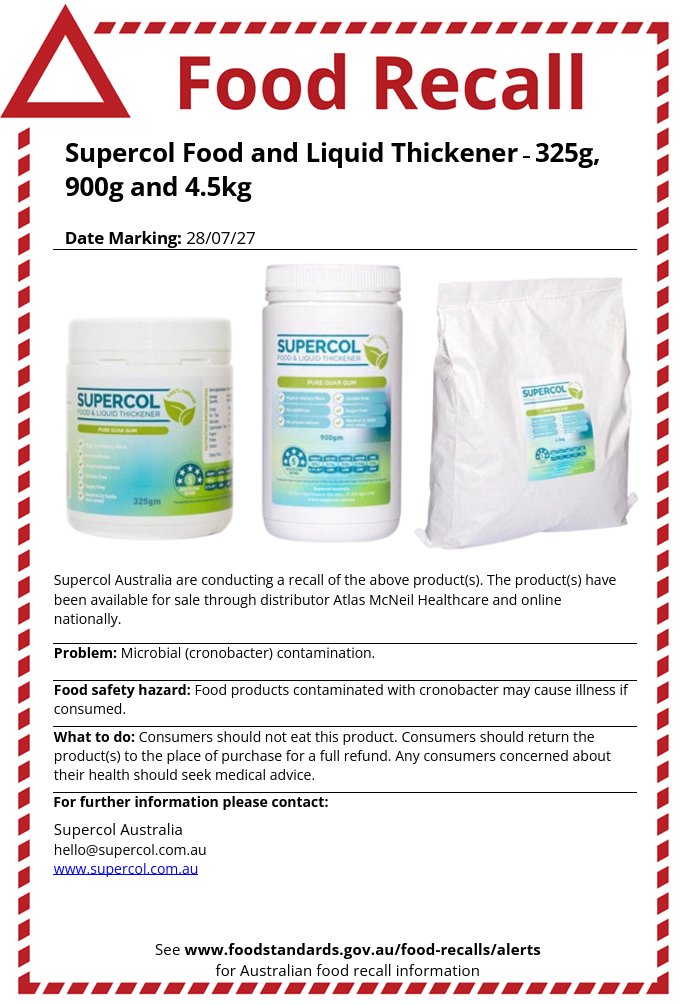
Food Standards Australia New Zealand (FSANZ) has announced a recall of Supercol Food and Liquid Thickener due to microbial contamination with Cronobacter. It's a helpful reminder for any business producing or handling dry food products.
Recall details
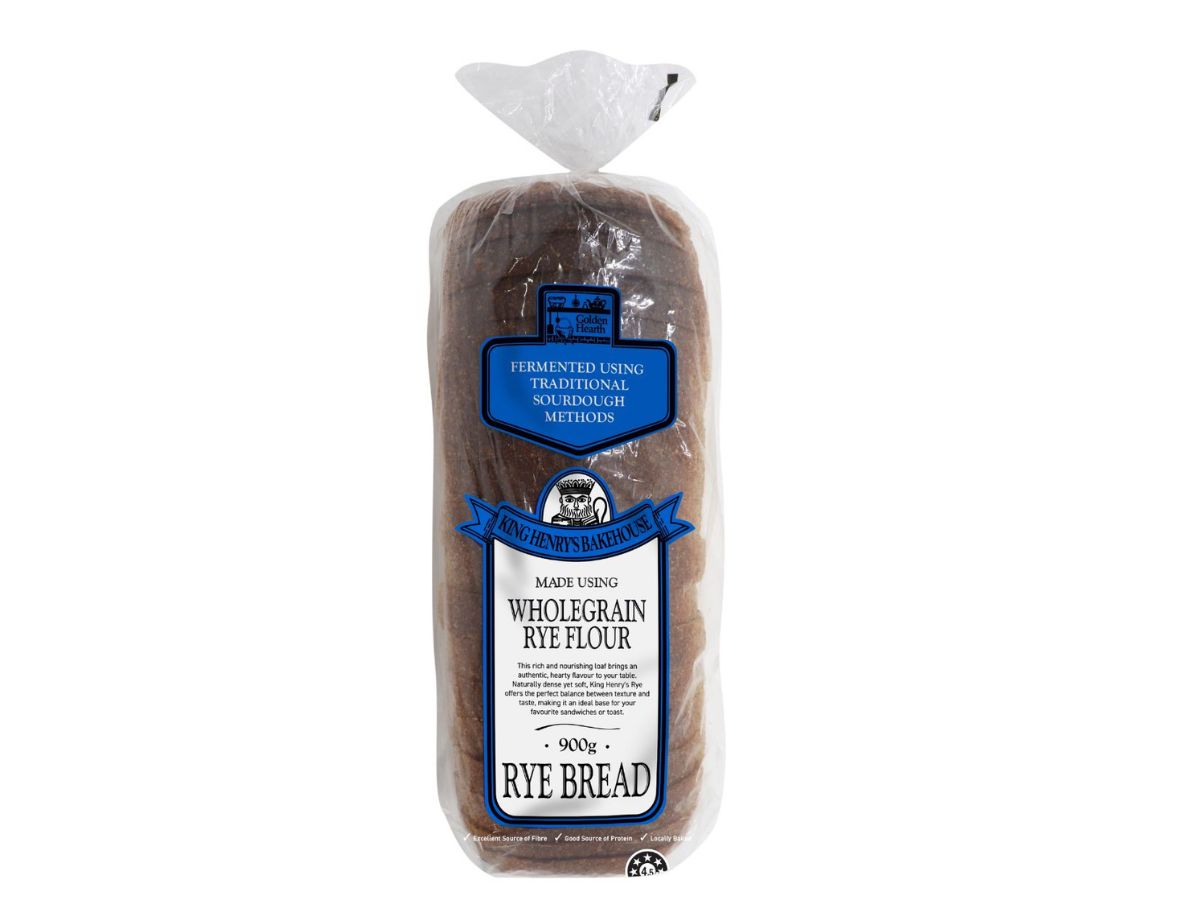
- Product: Supercol Food and Liquid Thickener
- Pack sizes: 325g, 900g and 4.5kg
- Date marking: 28/07/27
- Problem: Microbial contamination (Cronobacter)
- Sold: Through distributor Atlas McNeil Healthcare and online nationally
What consumers should do: Do not consume the product. Return it to the place of purchase for a full refund. Anyone with health concerns should seek medical advice.
Contact: hello@supercol.com.au or www.supercol.com.au
Why this recall matters
Thickeners are commonly used to help people with swallowing difficulties drink and eat more safely. Many of those people are older, unwell, or living in aged care and hospital settings.
These are also the people who can be most affected by foodborne illness. That's why this recall deserves attention from aged care providers, hospitals and carers, as well as food manufacturers.
What is Cronobacter?
Cronobacter is a group of bacteria found in the environment. It's best known for its association with powdered infant formula, but it can also be found in other dry foods and ingredients.
What makes it different from many other pathogens is how well it can survive in dry conditions. It doesn't need to grow in a product to be a problem. It can simply persist in powders, dust and dry processing areas for a long time.
Practical food safety lessons for dry product manufacturers
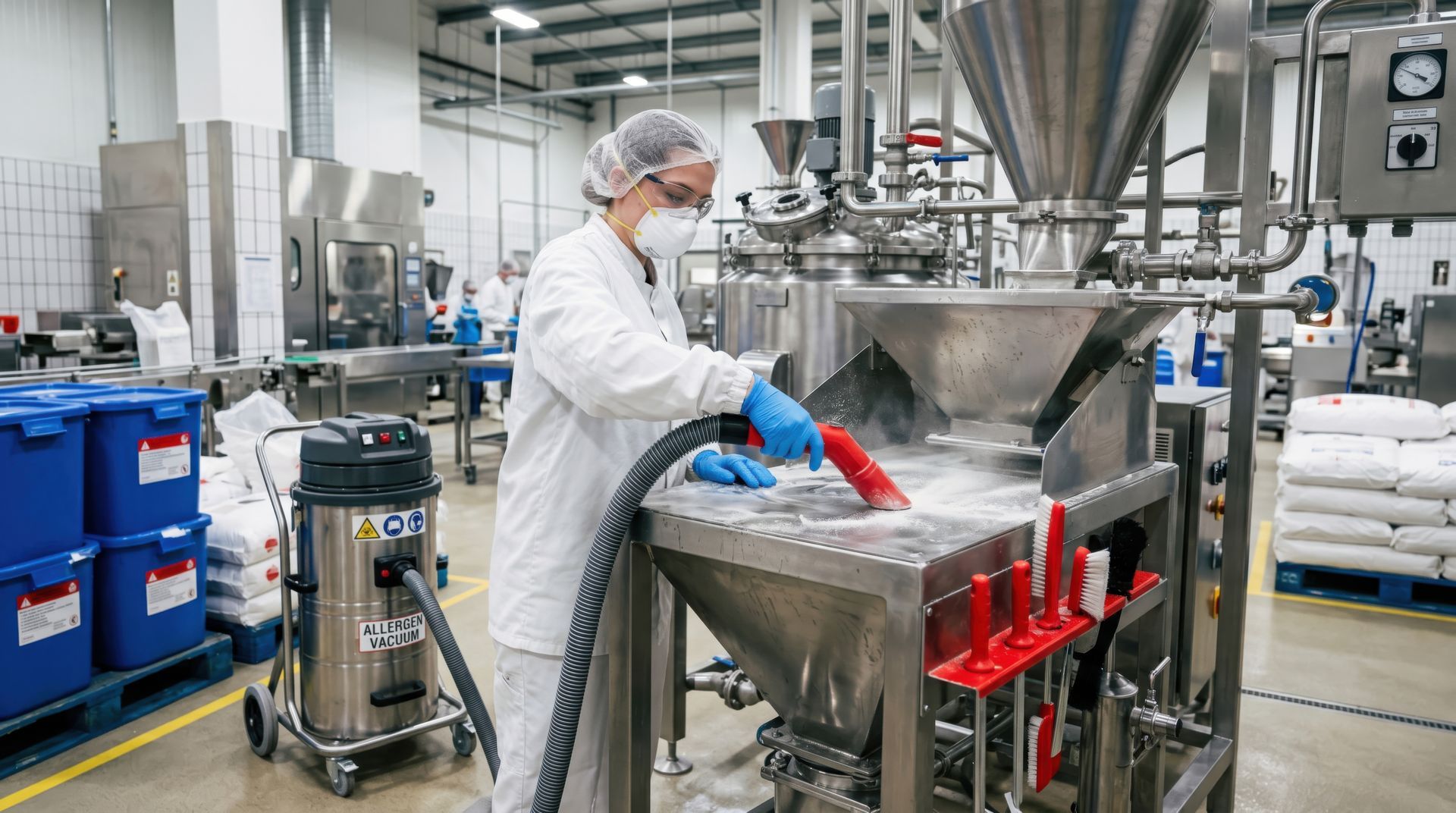
As a practising Food Safety Auditor, I see many dry blending sites where the food safety program is strong on paper but was designed with wet processing in mind. Dry environments need a slightly different approach. Here are some practical areas to review.
1. Consider who will really use your product. Your HACCP hazard analysis should reflect the intended consumer. If your product is likely to be used by vulnerable people, your controls and verification need to reflect that. This is sometimes missed when a product moves into new markets such as healthcare or aged care.
2. Design environmental monitoring for dry areas. An environmental monitoring program for a dry site should target the organisms that can survive there, such as Cronobacter and Salmonella. Think carefully about sampling points, including hard to clean areas, dust collection systems and equipment interiors.
3. Keep water out of dry zones. Water can allow bacteria to grow and spread. Wet cleaning, leaks and condensation in dry areas can create real problems. Dry cleaning methods and controlled wet cleaning, followed by thorough drying, can make a big difference.
4. Review your supplier approval program. Dry ingredients such as starches, gums and powders can introduce pathogens. Supplier approval, certificates of analysis and verification testing should match the risk.
5. Test your recall procedure. A recall is stressful, but a well practised procedure makes it much more manageable. Mock recalls help your team respond quickly and confidently when it counts.
These principles apply whether you're certified to SQF, ISO 22000, FSSC 22000, BRCGS or working within a HACCP based food safety program.
How Pinnacle can help
At Pinnacle Management Systems, we help food businesses build practical food safety systems that work in the real world. As a Food Safety Consultant and HACCP Consultant, I bring the perspective of a practising certification auditor, so the advice is based on what I see on site, not just what's written in the standard.
We offer:
- HACCP Training for teams at all levels
- Internal Auditor Training to build capability within your business
- Support with SQF and ISO 22000 implementation
- Environmental monitoring and pathogen control reviews for dry processing sites
If you'd like a second set of eyes on your controls for dry products, we're happy to have a chat. No pressure, just a practical conversation.
Never miss an update
Subscribe to the Pinnacle newsletter so you never miss important food safety information, recall insights and practical tips you can use in your business. Just click Subscribe at the top of this page.